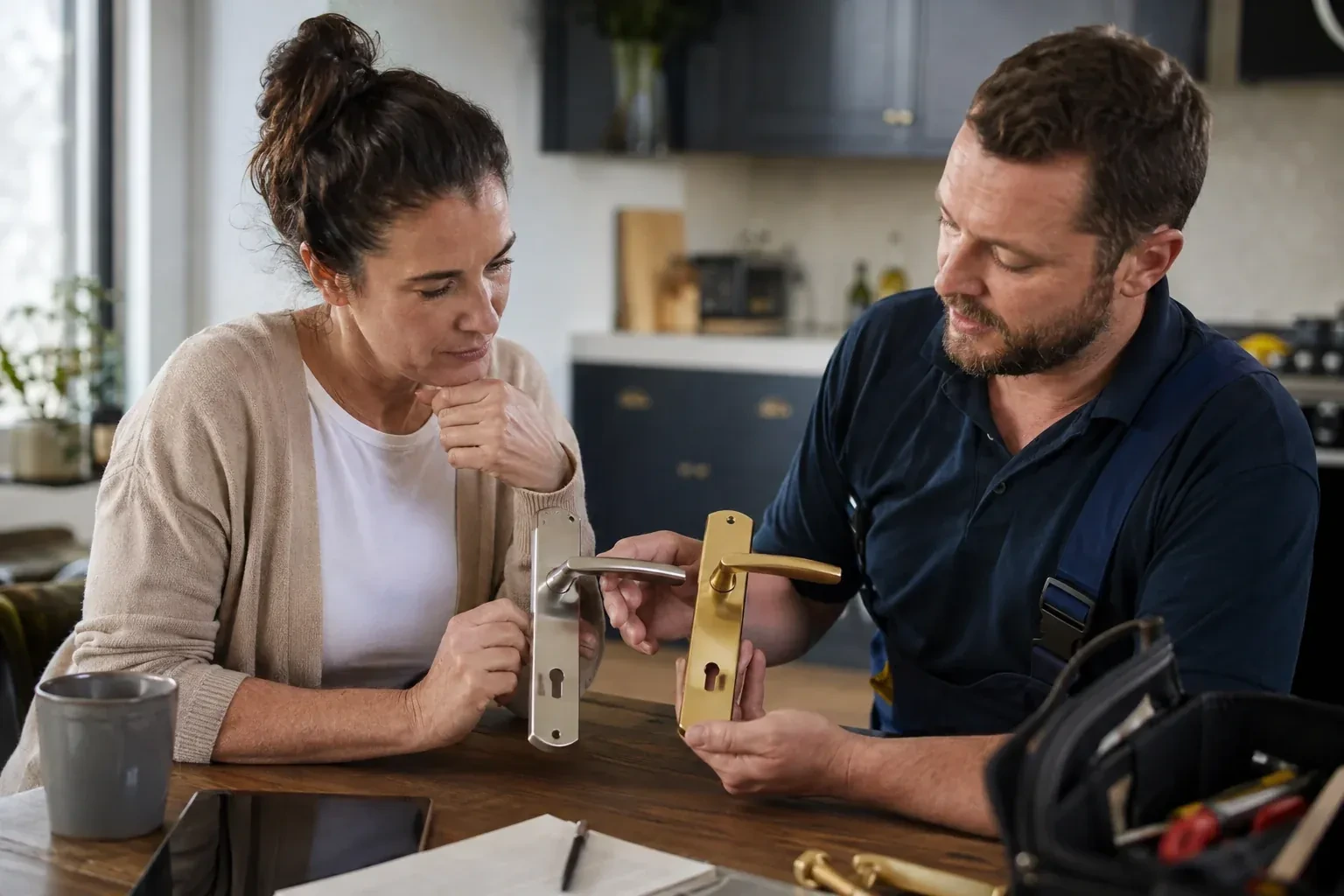
High security · Guelph
High Security Locks
After the attempted break-in the police officer pointed at your door and said the strike plate was held by two short screws. Nobody got in, but you have looked at that door differently every evening since.
High Security Locks
In plain words
Think of the upgrade as four layers working together. The cylinder resists picking, bumping and drilling. The deadbolt resists sawing and kicking with a long, hardened bolt. The strike and screws keep the frame from splitting when the door is struck. And the key control stops copies being made without your say-so. A locksmith assesses your door for each layer and tells you where it is weak, because a strong cylinder screwed into a soft frame gains you little. Most homes end up with a graded deadbolt and a patented cylinder; businesses often step up to laboratory-rated cylinders and heavier lock bodies.
How the visit goesYour shop has had four employees leave in two years and each one had a key. Rekeying every time is getting old, and the hardware store will cut a copy for anyone who walks in with the original.
Guelph
How the visit goes
Winter, weather and daily use
A door on a farmhouse porch, a condo corridor and a shop on a busy street each see different wear. The locksmith asks how the door behaves in cold weather, whether the key has ever frozen or stuck, how many times a day it is used and whether it slams behind people. High-security cylinders with sidebars and telescopic pins are precise mechanisms and appreciate a door that closes true and a keyway kept clean. The recommendation may include a weather cover for an exposed cylinder, a closer adjustment or a hinge repair so the new hardware lives a long life.
Fitting a heavier deadbolt
When the existing deadbolt is light or worn, the locksmith fits a graded deadbolt through the same bore where possible. The bolt throws a full inch and carries a hardened steel pin that turns under a saw blade, and the housing keeps part of the bolt supported against a kick. The latch is set in the edge bore with the correct backset, the exterior housing and interior thumb-turn are joined through the door with the long screws, and the final tightening is done by hand so nothing strips. The bolt is then thrown with the door open and closed to confirm it extends completely.
Proof for insurers, landlords and tenants
You leave with a written record of what was fitted: the cylinder type and its rating, the deadbolt grade, the strike and screws installed, and the key system registration. Insurers sometimes ask for this when a policy specifies stronger hardware, landlords keep it in the property file, and tenants have something to hand back at move-out. It also helps the next locksmith, who can see at a glance what keyway and format the doors carry. Keep the invoice and the key control documents together; they are the paperwork side of a physical upgrade.
High Security Locks
In the van
- Pinning kit and plug follower
- Wrap-around door reinforcer
- Box strike
- High-security cylinder
- Hardened cylinder guard ring
What affects the quote
Same fees day, night or weekend
1Retiring the old keyway
If other doors stay on the old key for now, they may need rekeying so an unknown copy has nowhere to go; that is additional cylinder work alongside the upgrade.
2Hinge and door edge work
Long hinge screws, a hinge-side security stud or repair to a chewed door edge are small items that add up on a door that has been forced before.
3Strike and frame reinforcement
A reinforced strike with long screws is modest work on a healthy frame. Deepening the pocket, filling split wood, fitting a jamb plate or a wrap-around reinforcer adds materials and time.
High Security Locks: questions
What are the hardware grades I see on the packaging?
Locks and deadbolts are tested against industry standards for security, durability and finish. Commercial hardware is graded 1, 2 or 3 with grade 1 the highest. Residential hardware carries a letter label for each of the three categories, from C for good through B to A for the top level. Security tests include hammer blows and pulling on the lock; durability covers cycle life and seasonal misalignment; finish covers salt, humidity and scratching. Your locksmith translates the label for your door.
What happens when the patent on my keys runs out?
The mechanical resistance of the cylinder does not change, but blanks may become openly available, so copy control weakens. Manufacturers issue new patented keyways as older ones expire, and the usual answer is to move to the next generation by changing cylinders and keys while keeping the lock bodies. Your locksmith notes the patent term at handover so the date is on the calendar rather than a surprise years later.
Are high security locks only for businesses?
Not at all. Homes are the most common place they are fitted, especially after a move, a break-in nearby, or the realisation that too many keys have been handed out over the years. A graded deadbolt with a patented cylinder and a reinforced strike is a modest, quiet upgrade for a front or side door. Businesses tend to go further, with laboratory-rated cylinders, heavy lock bodies and a documented key system across many doors.
High Security Locks
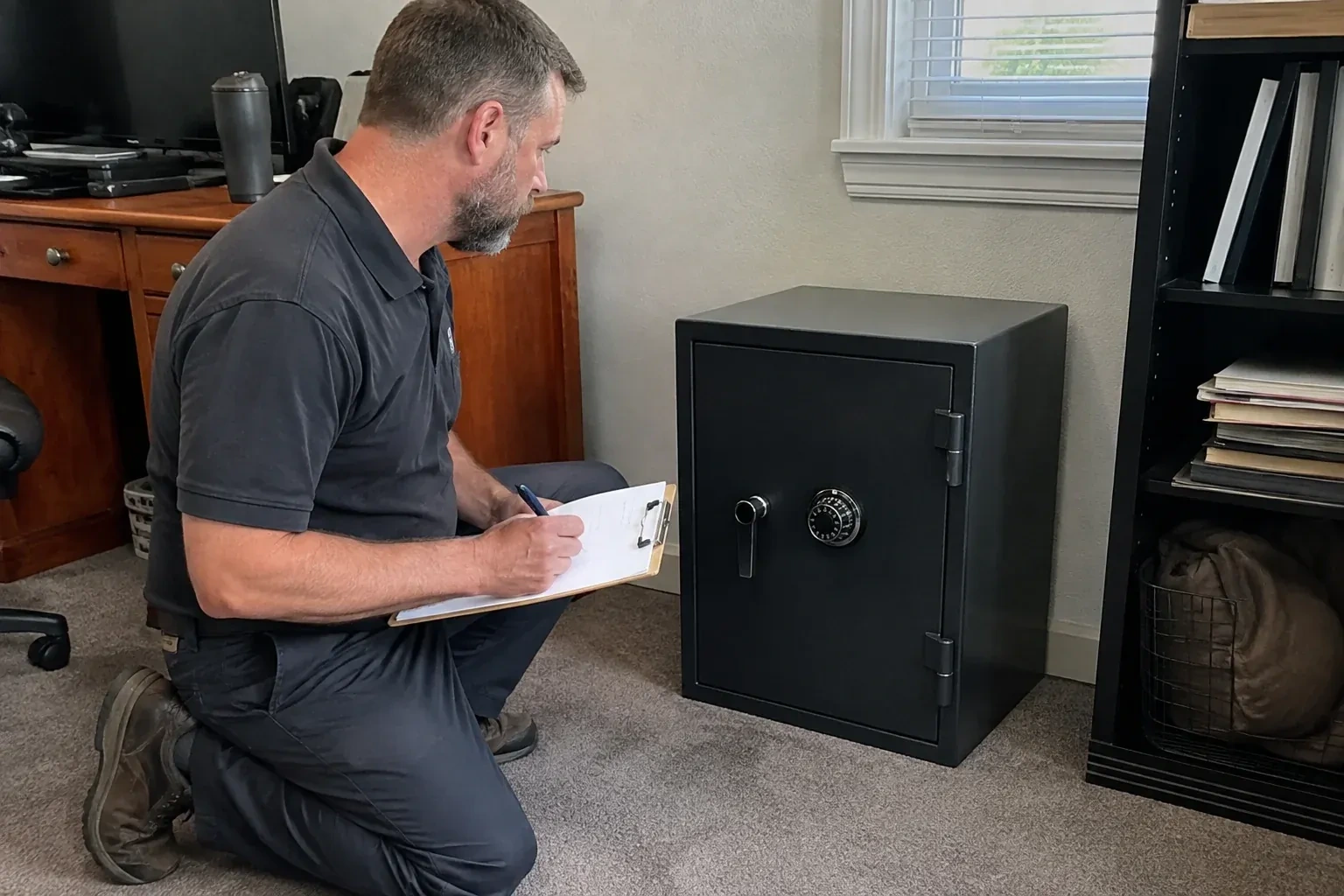
High Security Locks near you
Choose a service to see how it works in Guelph. Each page explains the situation it suits, what the locksmith looks at first, how the job is done, and how to look after the hardware afterwards. If your problem sits between two services, either page will get you to the right conversation.